


 Ελληνικα
Acne
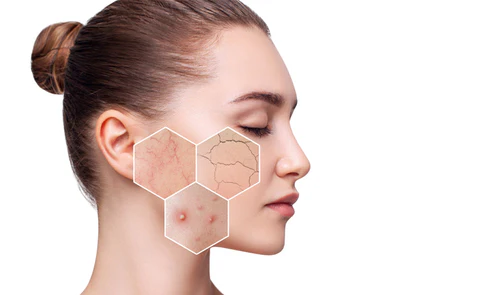
Acne is a multifactorial condition that affects the sebaceous follicle, influenced by factors such as hormonal imbalances, genetics, obesity, diet, and stress. It commonly emerges during adolescence, impacting nearly 80% of teenagers, but can also manifest for the first time in adulthood.
Acne typically occurs in areas with active sebaceous glands, including the face, chest, back, and shoulders. Its clinical presentation varies based on type and severity, which can fluctuate over time. The following lesions are commonly associated with acne:
- Comedones: Small white and black spots.
- Papules: Small, red, and painful bumps.
- Pustules: Small pimples filled with pus.
- Nodules and Cysts: Larger, painful bumps with pus and redness.
- Scars: Acne lesions can leave behind atrophic or hypertrophic scars, such as keloids.
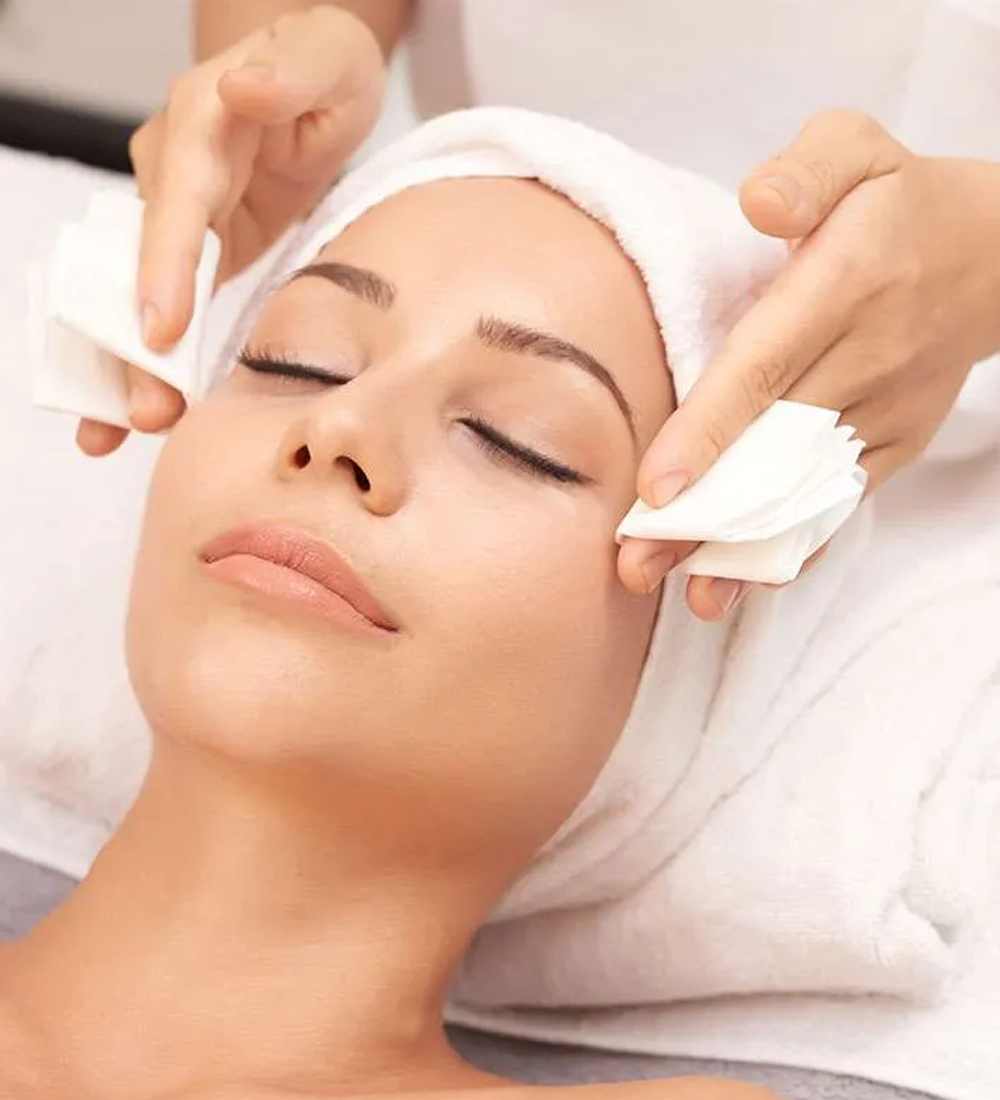
Deep cleansing through skilled manual techniques is vital for the prevention and treatment of acne. Only qualified beauticians with higher education should perform these procedures, as they are trained in safe manipulation techniques. Improper use of tools, especially in acne treatment, can lead to infections and scarring.


