






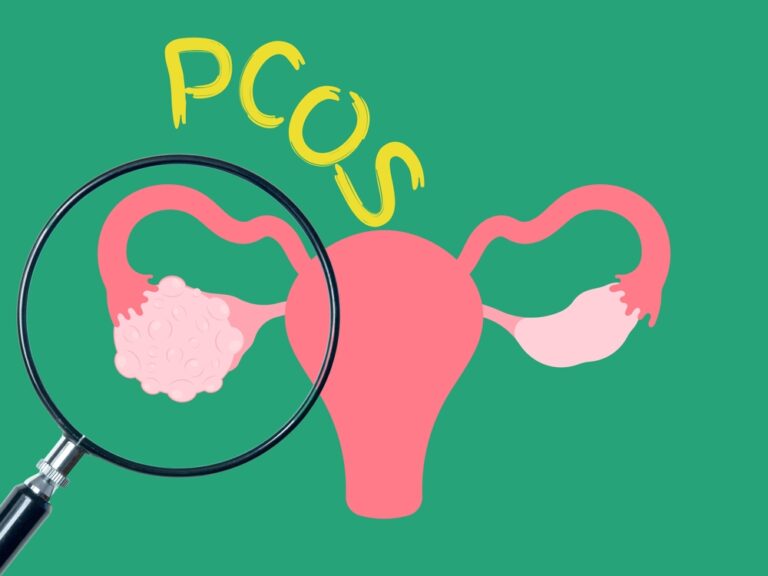
Polycystic Ovary Syndrome, commonly known as PCOS, is one of the most common hormonal disorders affecting women of reproductive age. In recent years, the scientific community has begun reconsidering the terminology used to describe the condition, leading to the proposed new name: PMOS (Polyendocrine Metabolic Ovarian Syndrome).
This change does not mean it is a different condition. Instead, the goal is to better reflect the true and multifactorial nature of the syndrome.
Why Is the Name Changing?
The term “polycystic ovaries” is considered by many experts to be limiting and often misleading. Although ovarian appearance may be one characteristic of the syndrome, PCOS involves far more than the ovaries alone.
In reality:
- many women with PCOS do not show polycystic ovaries on ultrasound
- the so-called “cysts” are not true cysts, but immature ovarian follicles
- the syndrome affects the body’s entire hormonal and metabolic system
The proposed name PMOS aims to better represent this broader impact on overall health.
What Does PMOS Mean?
Polyendocrine
Refers to the multiple hormonal disruptions associated with:
- elevated androgen levels
- insulin imbalance
- hormonal dysregulation
Metabolic
Highlights the syndrome’s connection with:
- insulin resistance
- difficulty losing weight
- increased risk of type 2 diabetes
- metabolic and cardiovascular complications
Ovarian
Maintains the connection to ovarian and reproductive health, including:
- irregular menstrual cycles
- ovulation disorders
- fertility challenges
What Are the Most Common Symptoms?
Symptoms vary from woman to woman, but often include:
- irregular periods
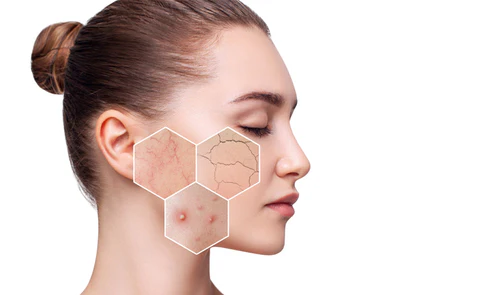
- acne and oily skin
- excessive hair growth
- difficulty losing weight
- hair thinning
- fatigue
- fertility difficulties
Does This Change Diagnosis or Treatment?
No. Diagnostic criteria remain the same according to the international Rotterdam guidelines.
Management still focuses on:
- balanced nutrition
- exercise and weight management
- hormonal support when necessary
- improving insulin resistance
- personalized medical care
Why Is This Change Important?
This new scientific perspective helps women understand that PCOS is not simply a gynecological condition, but a complex syndrome affecting multiple systems within the body.
The name change:
- provides more accurate awareness
- emphasizes metabolic health
- supports a more holistic approach
- highlights the importance of early prevention and monitoring
Proper education and understanding are the first steps toward better health, balance, and quality of life.