

“I eat well, I exercise, I lose weight… but my legs stay the same.”
This is one of the most common phrases we hear from women during body assessments at Vitality.
Many women initially believe they are dealing with cellulite, water retention, or stubborn fat that simply does not respond to diet and exercise. However, in some cases, the body may be indicating something different.
One of these conditions is lipedema.
What is lipedema?
Lipedema is a chronic disorder of fat distribution that affects almost exclusively women.
It is characterized by a disproportionate accumulation of fat, mainly in the hips, thighs, and lower legs, while the upper body may remain completely unaffected.
It is not simply weight gain, and it is not the same as cellulite.
For many women, lipedema is not only a cosmetic concern. It is often accompanied by discomfort, heaviness, and emotional frustration, especially when lifestyle efforts do not lead to visible changes in the affected areas.
What are the common signs?
- Disproportionately larger legs compared to the upper body
- A feeling of heaviness or fatigue in the lower limbs
- Swelling that worsens throughout the day
- Sensitivity or pain when pressure is applied
- Easy bruising without clear cause
- Difficulty reducing leg volume despite diet and exercise
The presence of one or more of these symptoms does not necessarily mean a person has lipedema. Every body is unique and requires individual assessment.
Why are we hearing more about lipedema today?
Lipedema is not a new condition.
For many years, women experiencing these symptoms were often told they simply had cellulite, fluid retention, or needed further weight loss.
Today, awareness is increasing. Both medical professionals and aesthetics specialists are better able to recognize its characteristics, and more women are beginning to understand that what they experience is not always “just cellulite”.
Cellulite or lipedema?
This is one of the most frequent questions we receive.
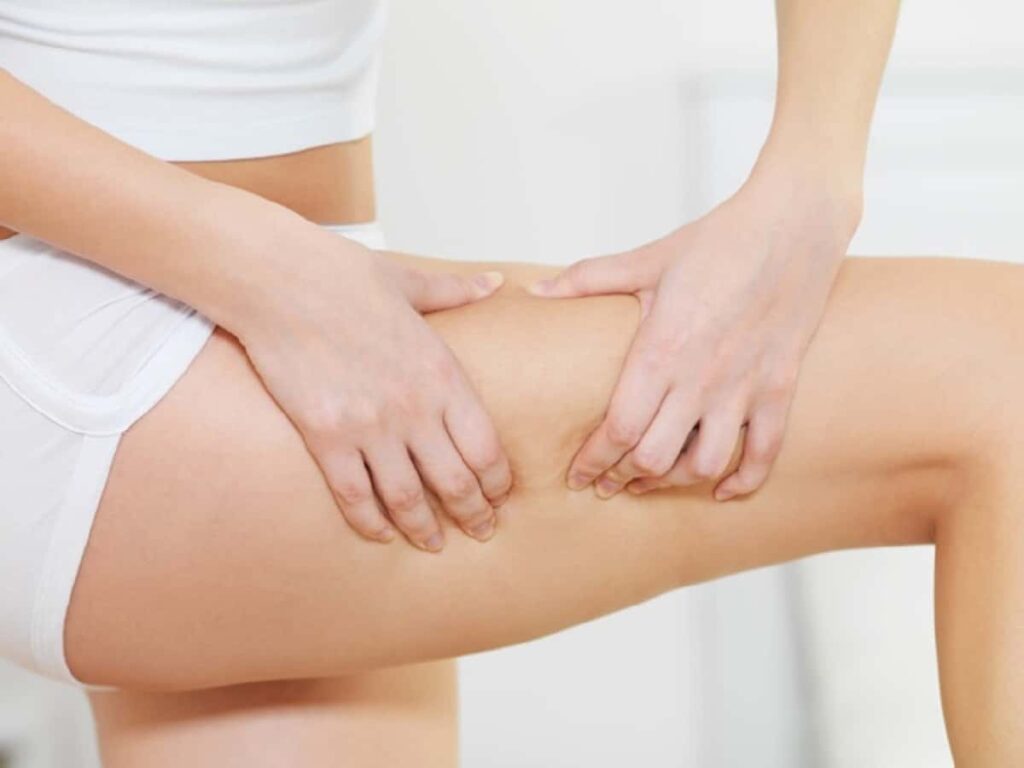
Cellulite mainly refers to changes in skin texture and the structure of the subcutaneous tissue.
Lipedema, on the other hand, is often associated with additional symptoms such as pain, heaviness, swelling, and a disproportionate fat distribution in the lower body.
Of course, both conditions may coexist.
This is why a proper, individualized assessment is essential before designing any treatment approach.
How can aesthetics help?
This is where many misconceptions arise.
Aesthetic treatments do not “cure” lipedema.
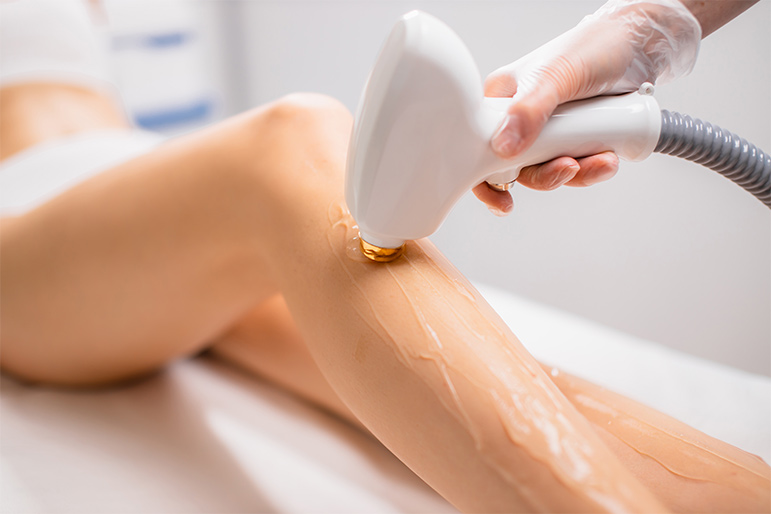
However, when properly selected and tailored to the individual, they can play an important supportive role in improving daily comfort and overall well-being.
At Vitality, we approach every case individually, focusing on supporting women who experience symptoms commonly associated with lipedema.
Depending on the needs of each client, aesthetic treatments may help:
✔️Improve circulation
✔️Support lymphatic drainage
✔️Reduce the feeling of heaviness in the legs
✔️Improve skin appearance and texture
✔️Reduce fluid retention
✔️Enhance overall comfort and well-being
In many cases, the most important aspect is not only the treatment itself, but the feeling of being understood and supported with a personalized approach that respects each woman’s unique body.
The importance of awareness
If your legs do not respond to diet and exercise the way you expect, or if you recognize several of the signs mentioned above, it is worth taking a closer look and seeking proper evaluation.
Sometimes what appears to be simple cellulite may be something more complex.
Understanding your body is the first step toward choosing the right way to care for it.
At Vitality, our goal is to provide personalized aesthetic care with respect, knowledge, and sensitivity—helping every woman feel lighter, more comfortable, and more confident in her own body.