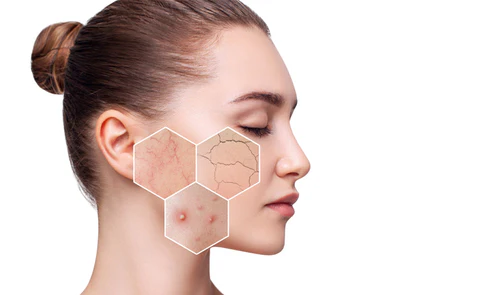





Just beneath our epidermis, in the second layer of the skin, there are the proteins collagen and elastin.
Collagen forms a network that supports the skin and gives it firmness.
Elastin provides elasticity, allowing the skin to return to its original position when stretched.
Over the years, the production of these proteins decreases and their breakdown accelerates. When they decline, sagging and wrinkles appear. Where sagging or wrinkles appear more depends also on our genetics.
Menopause, which causes a significant drop in estrogen, accelerates this process:
In the first 5 years of menopause, women lose approximately 30% of their skin collagen.
Skin elasticity in postmenopausal women decreases by 0.55% per year.
External Factors That Increase Sagging
- The environment plays a significant role in skin quality.
- Diet, sleep, and smoking clearly affect skin aging.
- The most damaging factor remains sun exposure, which destroys skin elasticity on the face, neck, hands, and body.
- Significant weight loss and fat redistribution also contribute to sagging.
Myths: Running or the way we sleep does not cause sagging.
What We Can Do About Sagging
- Prevention: Avoid sun exposure.
- Long-term application of topical retinoids, antioxidants, and peptides.
- Personalized treatments at the Vitality Aesthetic Institute that target prevention or correction of sagging.
- Strategic Approach at Vitality
During menopause, skin doesn’t just need care—it needs real support. Our program includes:
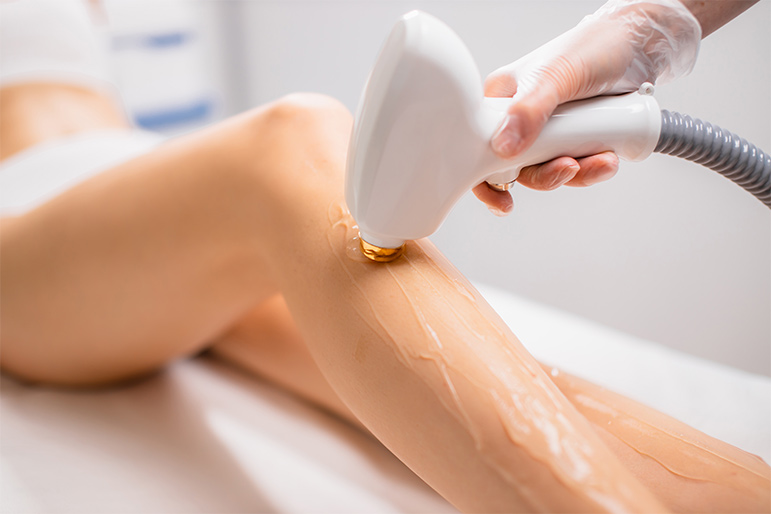
Radiofrequency (RF): For tightening and collagen activation
HIFU: For deep lifting and support
Fractional RF: For texture remodeling and overall skin quality improvement
The key is the right combination, at the right time.
💡 Want to know what your skin really needs?
Contact the Vitality Aesthetic Institute for a full assessment and a personalized plan.