





 Ελληνικα
Photoaging
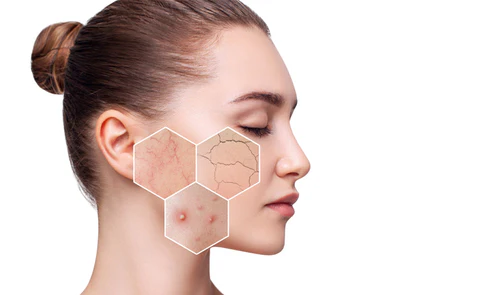
Photoaging is the result of prolonged and cumulative exposure to ultraviolet (UV) radiation, leading to premature aging of the skin, which typically begins in adolescence and becomes more noticeable from age 30 onwards. The primary cause is the sun, but artificial sources like tanning beds and blue light from screens (computers, mobile devices) also contribute.
The severity of photodamage depends on the intensity, duration, and frequency of sun exposure. How deeply solar radiation penetrates the skin is influenced by factors such as:
- Thickness of the keratin layer
- Melanin levels
- Skin perfusion
Effects of photoaging on the skin include:
- Roughness, due to the destruction of the skin’s hydrolipidic film and thickening of the outer layer (stratum corneum)
- Wrinkles, which worsen with dehydration
- Sagging, from a loss of elasticity
- Pale skin, with damaged and reduced blood vessels
- Discoloration, with areas of more intense pigmentation (freckles, sunspots, or “black spots” on the nose and forehead)
Conditions like radiation hyperkeratosis (caused by DNA damage) and Elastosis (seen as sagging, wrinkled skin, especially on the neck and chest, often called “goosebumps” or “turkey neck”) are common. These changes are largely permanent, and treatment options for reversing the damage are limited.
Prevention Tips:
- Regular use of sunscreen (SPF 30+)
- Wearing protective clothing and sunglasses
- Limiting sun exposure during peak hours
- Avoiding tanning beds and minimizing screen time without blue light protection.