




 Ελληνικα
Cutaneous Laxity
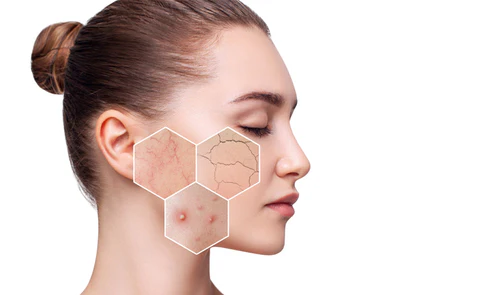
Epidermal laxity is characterized by changes in the form and texture of the connective and supportive tissue in the skin (the dermis), primarily composed of collagen and elastin fibers, which are crucial for maintaining skin elasticity.
Skin sagging occurs due to the deterioration of collagen and elastin fibers, along with muscle weakness, resulting from biological aging and photoaging. After the age of 20, the skin produces approximately 1% less collagen each year. During the first five years of menopause, women can lose about 30% of their collagen, followed by an additional 2% loss each year for the next two decades.
Signs of sagging are commonly observed on the arms, abdomen, buttocks, legs, and knees.
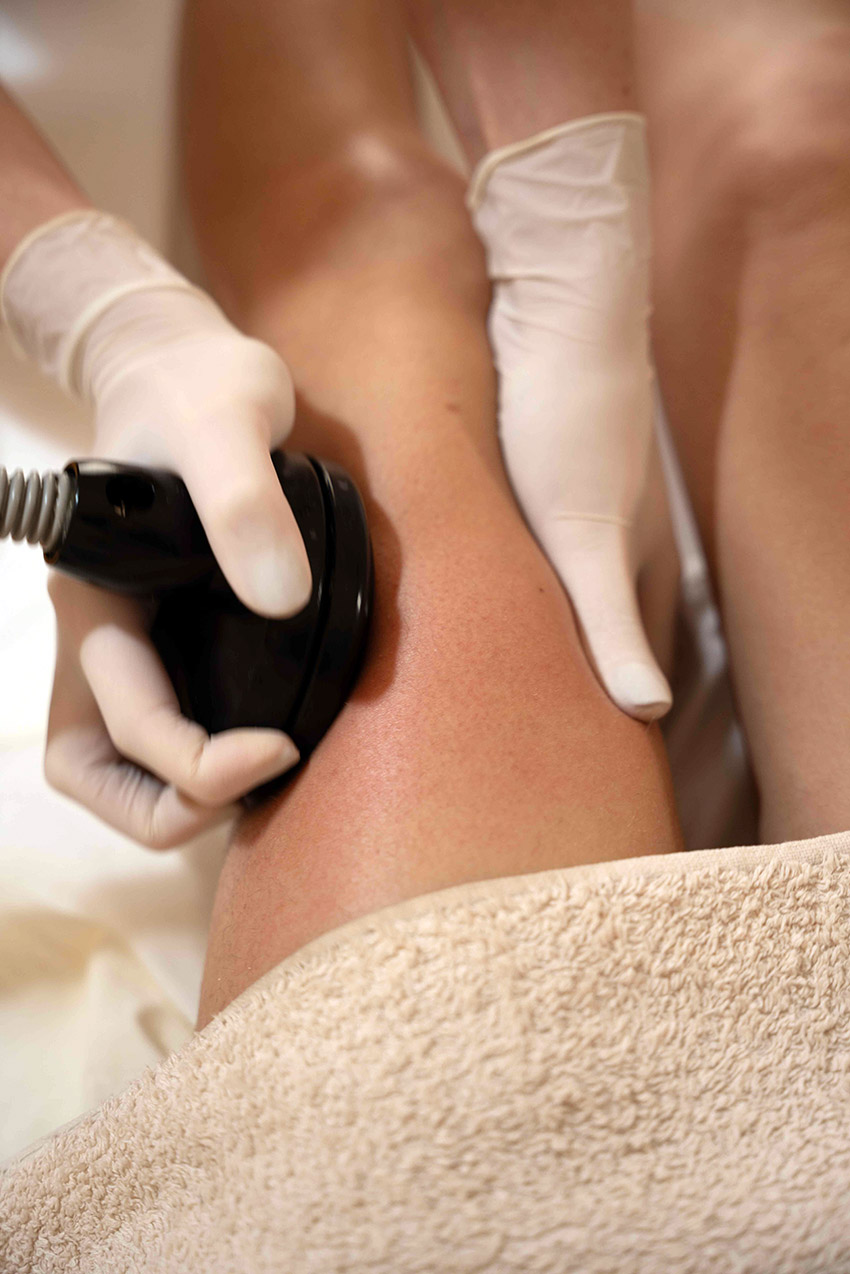
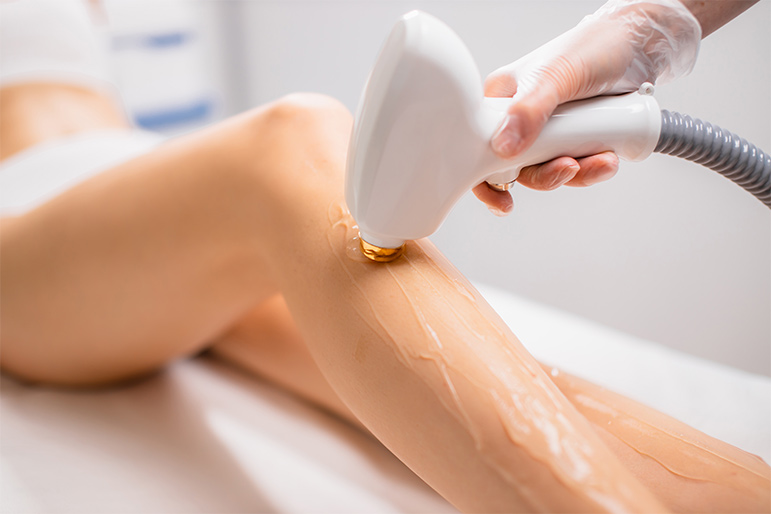
Fortunately, modern aesthetic treatments for body tightening enhance collagen formation, restore muscle tone, and improve skin firmness.